

What’s the Best Temp for Air Conditioner Settings in Your Office?
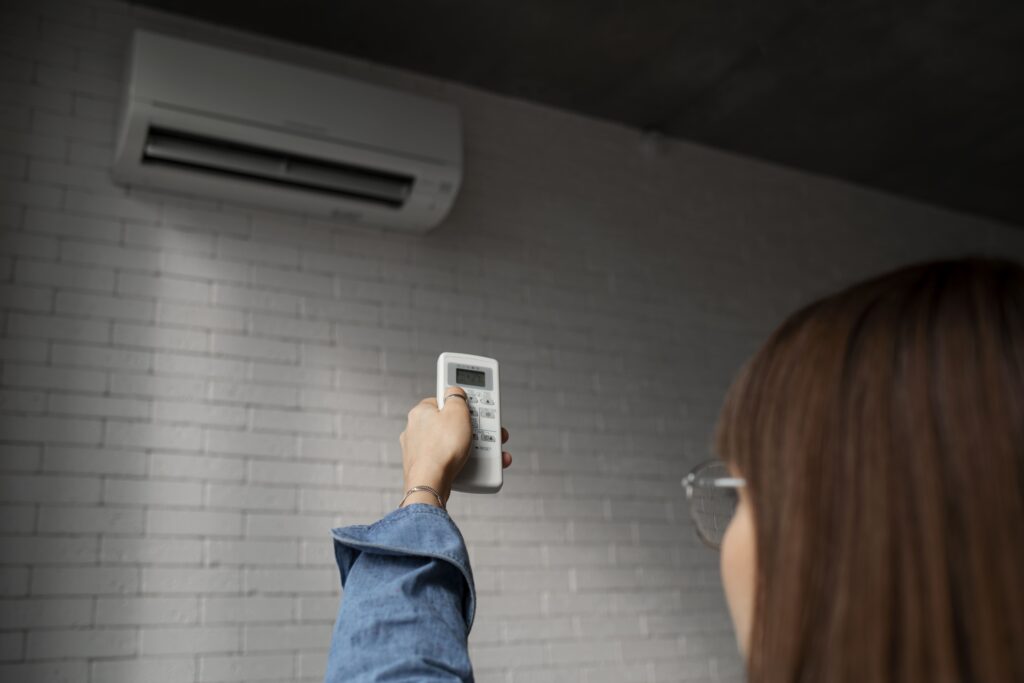
Choosing the best temperature for your office air conditioner isn’t just about comfort. It directly impacts energy consumption, staff productivity, and the ongoing performance of your system. Too warm, and staff productivity drops. Too cold, and operational costs rise unnecessarily.
In Perth’s climate, balancing comfort and cost is critical for every business. This guide explains the recommended air conditioner temperature settings for commercial offices, why they matter, and how to avoid common cooling mistakes.
Key Takeaways
- Set it to 24°C in summer for comfort and efficiency; 20°C in winter.
- Right temp = better productivity, lower costs, and fewer system issues.
- Perth’s hot summers mean smart settings are essential to avoid overloading systems.
- Use zoning and smart thermostats to cool only where and when needed.
- Avoid mistakes like overcooling, poor thermostat placement, and cooling empty rooms.
- Temperature issues? It might be time for servicing.
- Regular maintenance keeps systems efficient, compliant, and long-lasting.
Why Temperature Matters in the Workplace
Getting the indoor temperature right in your workplace does more than keep people comfortable; it influences how well your business runs. Here’s how:
Staff Productivity
When your office is too cold or too warm, staff can lose focus, experience fatigue, or even become irritable, leading to reduced productivity across the board. Most people work best in environments kept between 22°C and 24°C, where the air isn’t distracting or uncomfortable.
Energy Efficiency
Energy costs are another factor. Every degree below 24°C in summer can increase your cooling expenses by up to 10%. Smart, consistent temperature control can lead to noticeable reductions in your power bills over time.
Equipment Longevity
There’s also your HVAC system to consider. Pushing your air conditioning to extremes can wear out parts faster, increase the need for repairs, and shorten the system’s lifespan.
OH&S and Compliance
Under Occupational Health and Safety (OH&S) standards, you’re responsible for maintaining a safe and reasonable indoor environment. Excessively cold or hot conditions can lead to dehydration, discomfort, and increased risk of workplace incidents. Keeping your system running efficiently and consistently supports both productivity and well-being.
Recommended Temperatures for Australian Offices
According to Safe Work Australia and energy efficiency guidelines, the ideal commercial office temperature is:
- Summer: 22°C to 24°C (aim for 24°C for efficiency)
- Winter: Around 20°C for heating
Setting it to 24°C is widely regarded as the best temp for air conditioner units in commercial buildings. It strikes the right balance between comfort and cost, keeping your office cool without unnecessary energy waste.
How Perth’s Climate Influences Cooling Needs
Perth’s weather presents specific challenges for businesses when managing indoor temperatures. These seasonal and environmental factors can have a big impact on how your AC system performs:
Hot, Dry Summers
Perth regularly experiences days above 35°C, especially between December and March. In these conditions, commercial AC systems must work harder and longer. Overcooling, or setting the system too low, can lead to higher power bills and unnecessary strain on equipment.
Mild Winters
While Perth’s winters are relatively gentle, cooler mornings and evenings mean heating is still required. Efficient systems can keep indoor temps comfortable without driving up energy use. A setting of 20°C is typically sufficient during these months.
Variable Sun Exposure
Office buildings with large glass areas or north-facing windows often have ‘hot zones’ where sunlight increases indoor heat. This can cause uneven cooling and employee discomfort. Solutions like zoning systems, automatic blinds, and UV-reflective film can help maintain a balanced indoor climate across the building.
Understanding how these seasonal patterns affect your cooling needs allows you to choose the right system and settings for long-term performance.
Balancing Comfort and Efficiency
Striking the right balance between comfort and efficiency depends on the nature of your workspace and how it’s used. Below are a few key strategies and considerations:
Match Cooling to Room Function
Open-plan offices may benefit from centralised cooling paired with zoning capabilities to manage airflow across shared spaces. In contrast, individual offices can be set to specific temperatures to suit occupant preferences. Areas like meeting rooms or training facilities may only need cooling during active use, while storage rooms or server spaces often require more targeted and consistent settings.
Use Smart Thermostats
Smart thermostats can automatically adjust the temperature based on the time of day, occupancy patterns or even the weather forecast. These systems reduce the need for manual adjustments and help lower energy consumption in low-use periods.
Maintain Airflow and Cleanliness
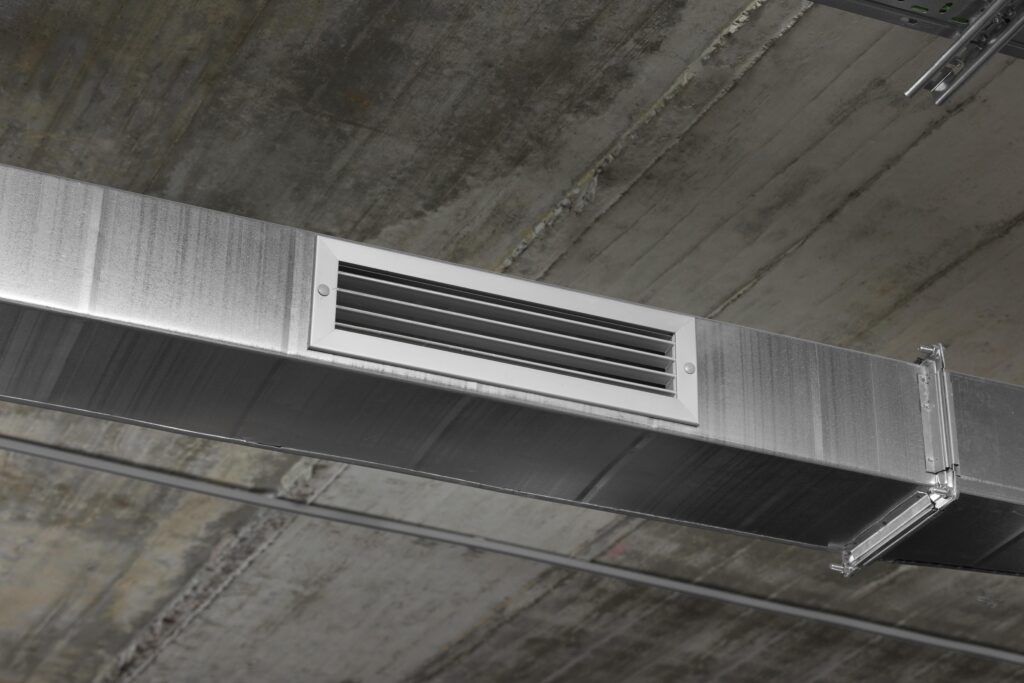
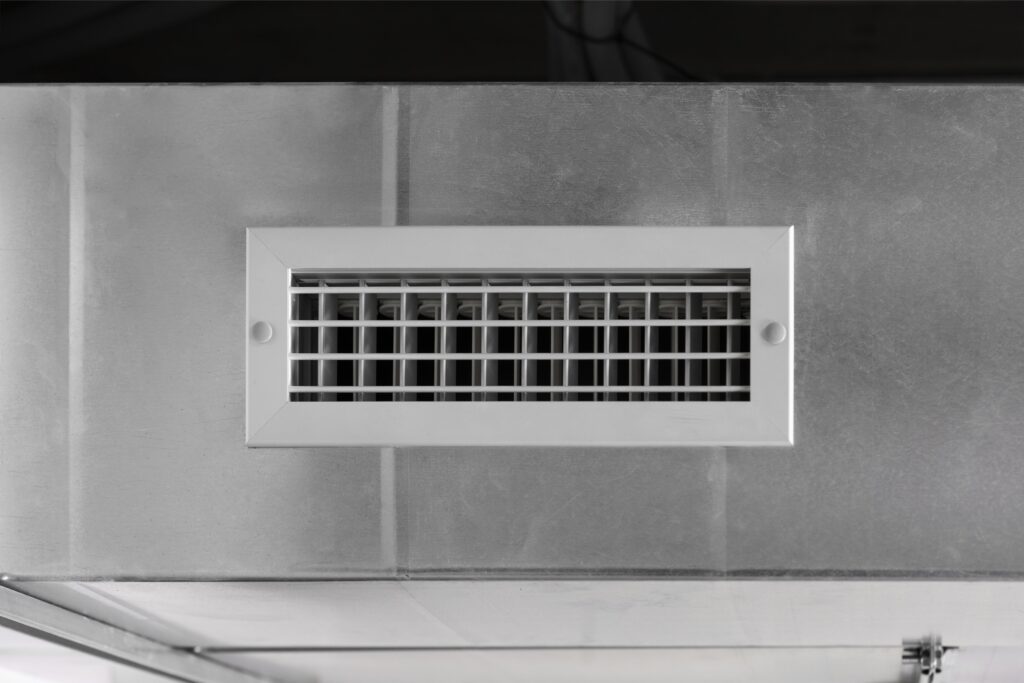
Good airflow plays a key role in keeping temperatures consistent. Dirty filters, blocked vents, or poorly maintained ductwork can create hot and cold spots throughout your office and force your system to work harder than necessary.
Centralise Temperature Control
Avoid giving staff unrestricted access to thermostat controls. Frequent manual changes can lead to energy waste and uneven comfort levels. A centralised control system, supported by clear communication about temperature settings and staff comfort, can prevent confusion and improve overall efficiency.
Common AC Mistakes in Commercial Offices
Even with the best intentions, many businesses lose efficiency due to these avoidable missteps:
Setting the Thermostat Too Low
Setting your thermostat too low won’t cool your office any faster. Instead, it causes the system to run longer than needed, driving up energy bills and increasing wear on components.
Cooling Unused Areas
It’s common for AC systems to be left running in unoccupied rooms or during off-hours. This wastes energy and adds unnecessary costs, especially in meeting rooms, storerooms, or unused zones.
Poor Thermostat Placement
Thermostats placed near sunlit windows, vents, or heat-emitting equipment can give inaccurate temperature readings, causing the system to overcompensate or underperform.
Ignoring Building Insulation
Drafts, unsealed windows, or poorly insulated areas lead to temperature inconsistencies and make it harder for your AC to regulate the space. Improving insulation supports better overall efficiency.
Avoiding these mistakes can go a long way toward creating a more comfortable and cost-effective work environment.
Signs Your System Needs Servicing
Uncomfortable temperatures can indicate deeper issues with your AC system. Watch for:
- Inconsistent cooling across rooms
- The system is running constantly without reaching the set temps
- High electricity bills with no clear cause
- Unusual noises or frequent cycling
These could point to clogged filters, refrigerant issues, or faulty thermostats. A professional inspection ensures your system runs efficiently.
The Value of Regular Maintenance
Routine maintenance is essential to keep your commercial air conditioning system performing at its best. Not only does it help stabilise indoor temperatures, but it also prevents issues before they escalate.
Preventive servicing ensures better airflow, more consistent cooling, and lower energy use. It also reduces the likelihood of costly breakdowns and extends the overall lifespan of your equipment.
At Perth Air & Power Solutions, our dual-certified technicians provide commercial-grade servicing across Perth, including filter cleaning, coil inspection, thermostat calibration, and full system checks.
Why Choose Perth Air & Power Solutions?
You need more than just reliable cooling. You need a partner who understands commercial requirements and responds fast.
- Same-Day Response: We act quickly so your business doesn’t miss a beat.
- Dual-Certified Technicians: Qualified in both refrigeration and electrical systems.
- Tailored Commercial Expertise: We design, install, maintain and repair systems built for Perth businesses.
We take the time to understand your workspace and provide solutions that deliver long-term results, not just a quick fix.
Ready to Optimise Your Office Air Conditioning?
If you’re wondering what the best temp for air conditioner settings is, or if your current system just isn’t keeping up, now is the time to act.
Our team at Perth Air & Power Solutions is here to help you create a more comfortable, cost-effective office climate. From system audits and zoning upgrades to preventative maintenance, we deliver expert solutions for commercial spaces.
Call us today to book an on-site consultation, same-day response guaranteed.
Frequently Asked Questions
How do I stop staff from constantly changing the thermostat?
Is there a difference between the best AC temperature for open-plan offices vs enclosed offices?
What’s the difference between thermostat temperature and actual room temperature?
Can smart thermostats actually reduce my energy bills?
Can setting my office AC lower than 24°C damage the system over time?
MORE ARTICLES
FOR YOUR BRAIN

Why is My Aircon Leaking Water?
Posted on Monday, January 12th, 2026Water leaking from a commercial air conditioning system is often first noticed as a minor inconvenience. A small puddle beneath an indoor unit. Drips appearing through ceiling tiles. Damp patches forming where they shouldn’t....
Read more
How to Build a Reliable Electrical Maintenance Plan
Posted on Tuesday, December 23rd, 2025Electrical systems are one of the most relied-on parts of any commercial building, but they’re also one of the easiest to overlook. Without a clear proactive maintenance plan, issues that start small can lead to system failures, safety risks, and costly downtime. This is where a qualified, dual-certified provider becomes essential....
Read more
How Does Thermal Imaging Work?
Posted on Wednesday, December 17th, 2025When you manage a commercial facility, staying ahead of equipment issues, energy inefficiencies, and safety risks is a constant challenge. A single electrical or HVAC fault can lead to downtime, compliance issues, or rising operational costs....
Read more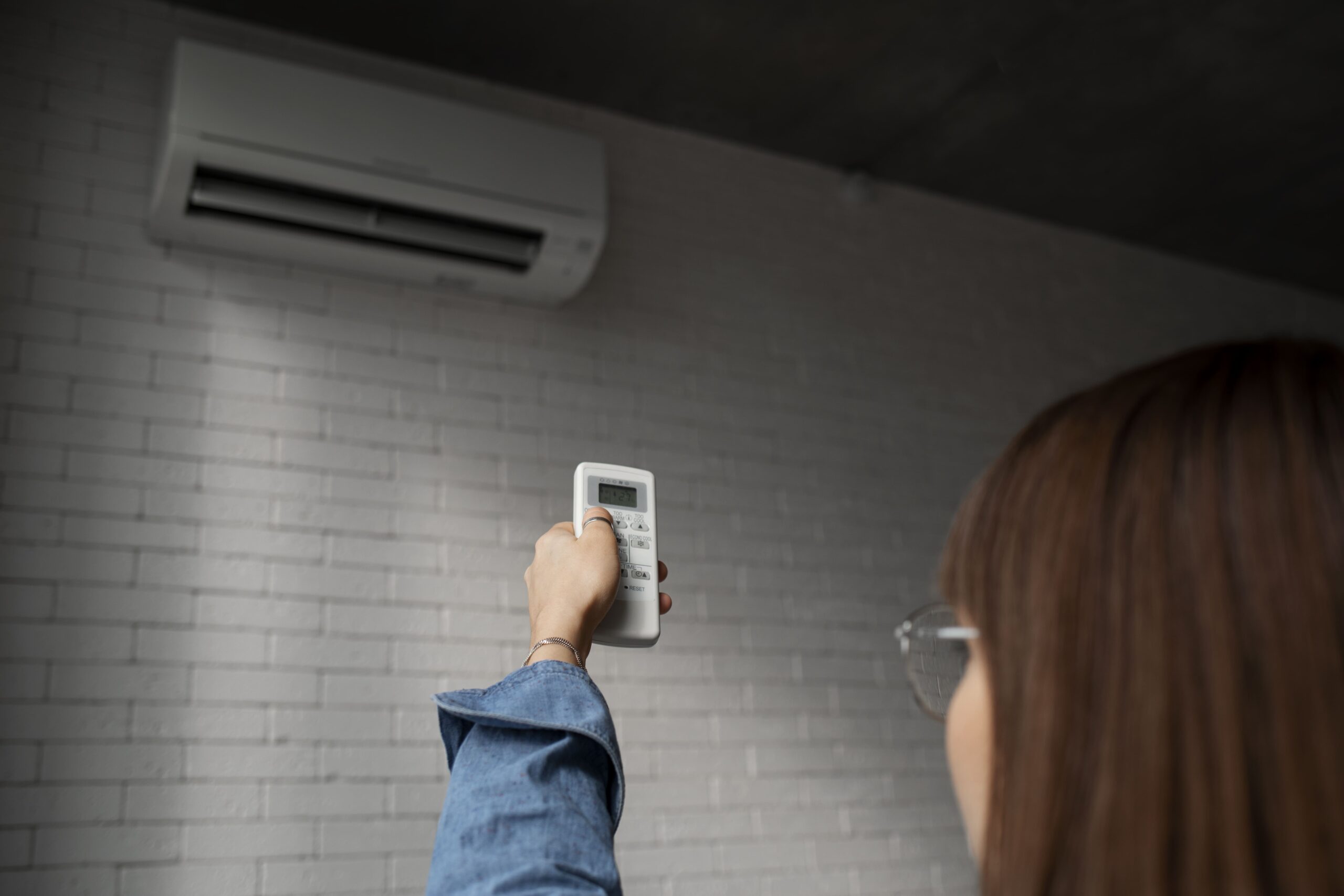
What’s the Best Temp for Air Conditioner Settings in Your Office?
Posted on Monday, December 08th, 2025Choosing the best temperature for your office air conditioner isn’t just about comfort. It directly impacts energy consumption, staff productivity, and the ongoing performance of your system. Too warm, and staff productivity drops. Too cold, and operational costs rise unnecessarily. In Perth’s climate, balancing comfort and cost is critical for every business. This guide explains the recommended air conditioner temperature settings for commercial offices, why they matter, and how to avoid common cooling mistakes....
Read more
Why is My Commercial Refrigerator Freezing Everything?
Posted on Friday, December 05th, 2025Noticed frozen lettuce, iced-over dairy or stiff drinks coming out of your commercial fridge? If you’ve been asking yourself, ‘Why is my commercial refrigerator freezing?’, you’re not alone. This is a common issue for businesses in foodservice, retail and logistics, and it can quickly turn into a costly problem....
Read more
Split System vs Ducted Air Conditioning: What’s Best for Your Business
Posted on Monday, November 10th, 2025Choosing the right air conditioning system for your commercial premises is more than a matter of comfort. It has a direct impact on energy efficiency, operating costs, staff productivity and the overall performance of your business. A poorly matched system can lead to rising bills, ongoing maintenance issues and an inconsistent indoor climate. The right solution, however, supports your business goals with reliable, long-term performance....
Read more
A Practical Guide to Understanding Test and Tag
Posted on Tuesday, September 02nd, 2025Electrical safety isn’t something most people think about every day, but it plays a crucial role in running a safe and compliant workplace. Whether you're managing a commercial site, overseeing a business, or working on the tools, it's essential to keep electrical equipment in good condition and aligned with Australian Standards....
Read more
Is It Time to Upgrade Your Commercial Switchboard?
Posted on Tuesday, August 12th, 2025A reliable power supply is essential for any commercial operation. From busy warehouses and manufacturing sites to hospitality venues and office buildings, a stable electrical system is what keeps your equipment running and your team productive....
Read more
What is Commercial Electrical Work? A Full Guide
Posted on Friday, August 01st, 2025Electrical systems are the backbone of your business. From lighting and safety systems to machinery, servers, and critical infrastructure, your electrical setup supports daily operations, compliance, and long-term growth....
Read more
How to Cool a Warehouse
Posted on Tuesday, July 01st, 2025Managing temperatures in a commercial warehouse is no small task, especially during WA’s scorching summers. With high ceilings, minimal insulation, wide open spaces, and frequent roller door use, keeping things cool becomes a daily operational challenge....
Read more